
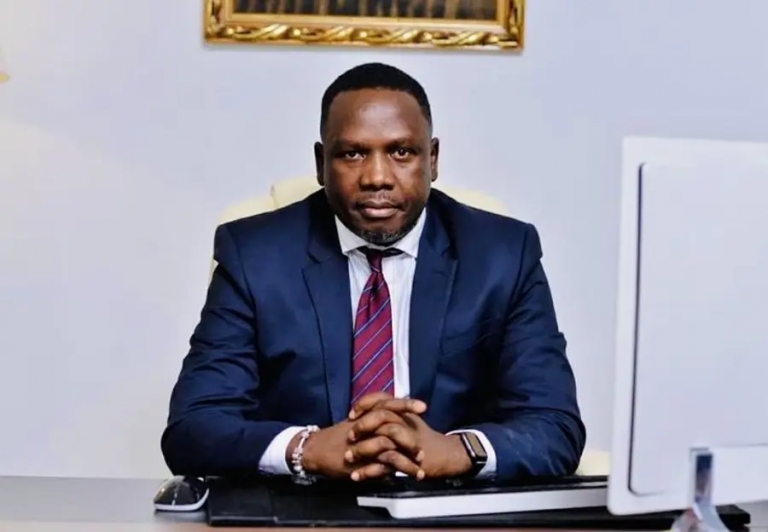
The Nigerian Presidency has suggested that external forces may be influencing the country’s prolonged security challenges, particularly acts of terrorism.
Special Adviser to the President on Policy Communications, Daniel Bwala, made the remarks during an appearance on The Link Up Podcast, hosted by EchoRoom.
Bwala pointed to several international developments and local incidents as indicators of possible foreign involvement in Nigeria’s security problems. He referenced protests in northern Nigeria during the #EndBadGovernance demonstrations in August 2024, where protesters in states such as Kano, Kaduna, Zamfara, and Katsina displayed Russian flags, chanted slogans calling for Russian President Vladimir Putin’s intervention, and even demanded a military takeover of the government.
“The Federal Government took note when we started seeing people lifting Russian flags,” he recalled.
The presidential aide also cited allegations made by U.S. Congressman Scott Perry during a congressional hearing, in which Perry claimed that the United States Agency for International Development (USAID) had funded Boko Haram and the Islamic State West Africa Province (ISWAP). While stressing that he was neither confirming nor endorsing the claims, Bwala said the hearing showed that conversations about external influence on Nigeria’s terrorism challenges were taking place at the international level.
“I wouldn’t say that, but I will tell you what I saw… I’m just providing facts to you,” he said.
Bwala further highlighted internal issues from the previous administration, alleging that rivalry between the Nigerian Army and Nigerian Air Force under former President Muhammadu Buhari undermined counterterrorism efforts. According to him, disagreements between the then-Chief of Air Staff and Army leadership led to situations where troops on ground operations were denied requested air support.
He contrasted this with the current administration, noting improved coordination and cooperation between the services.
On allegations of terrorist infiltration within Nigeria’s security agencies, Bwala dismissed claims of deliberate sabotage by military personnel as speculative but acknowledged that isolated cases of infiltration could occur. He noted previous arrests of security personnel, including soldiers and a senior police officer allegedly linked to foreign nationals, involved in such activities.
He argued that infiltration is not unique to Nigeria, citing the case of former U.S. intelligence contractor Edward Snowden as an example, and noted that the government is implementing measures to address the issue.
Assessing President Bola Tinubu’s administration, Bwala said the government has made significant strides in strengthening foreign reserves and improving revenue generation. He stated that President Tinubu has “done more than enough to earn the trust of Nigerians,” adding that the decision on a second term remains in the hands of the electorate.