
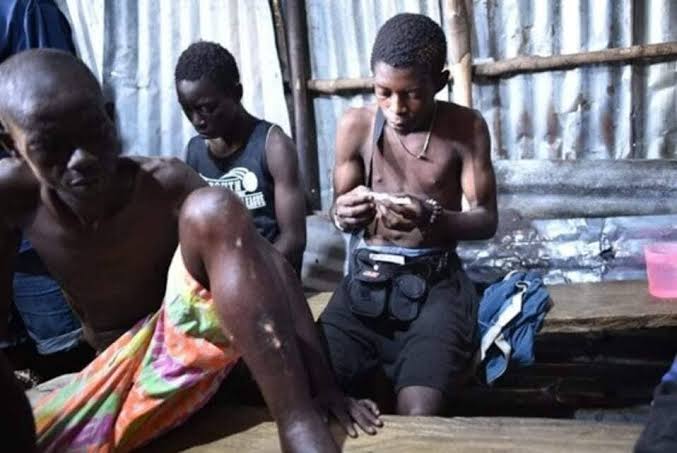
In Port Harcourt, the capital of Rivers State, a disturbing trend is emerging: increasing numbers of young people are descending into mental health crises, often described locally as “running mad,” largely due to substance abuse. Medical experts and security agencies report a surge in substance-induced psychotic disorders among youths aged 15–25, turning what was once a hidden issue into a visible public health and social crisis.
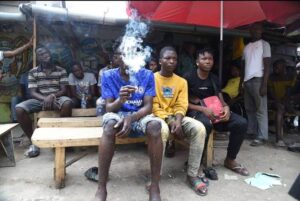
How Youths Get into Drugs
Several interconnected factors drive initiation. Peer pressure remains the strongest influence, with many starting to “fit in” or gain respect within social circles, especially in cult-related groups. Unemployment, academic stress, and broken homes push others toward drugs for escape, emotional balance, or perceived performance enhancement. Easy accessibility plays a major role—drugs are sold openly in markets, streets, and even near schools. Social media platforms like Instagram, TikTok, and WhatsApp further glamorise or normalise use through trends and peer sharing.
Poverty, family neglect, and the absence of recreational facilities exacerbate the problem. Many youths experiment during parties or as a coping mechanism for the harsh economic realities in the oil-rich but underdeveloped Niger Delta region.

Common Drugs and Their Effects
The most abused substances in Port Harcourt include:
- Cannabis (Marijuana/Weed/Loud): The most prevalent, often mixed with stronger variants.
- Tramadol (TM) and Codeine (cough syrups): Mixed into drinks for euphoria and pain relief.
- Rohypnol (Refnol), alcohol, and synthetic blends like “Loud,” pawpaw leaves, or dangerous concoctions such as “Omi Gutter.”
- Harder drugs like cocaine and heroin are also used, though less commonly.
Poly-substance abuse is widespread. Chronic use leads to severe mental health issues — auditory and visual hallucinations, depression, anxiety, schizophrenia-like symptoms, and full-blown psychosis. Many end up roaming streets, homeless, or institutionalised. Psychiatrists at the University of Port Harcourt Teaching Hospital confirm a sharp rise in juvenile substance-induced psychotic cases.
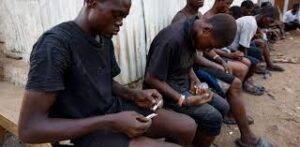
Society and Government’s Role
Society bears significant responsibility. Weak family structures, cultural tolerance of substance use, and glorification of “high life” contribute heavily. Communities often stigmatise victims rather than support rehabilitation. Cultism and political thuggery further entrench drug networks.
Government efforts through the NDLEA and NAFDAC include raids, awareness campaigns like “Catch Them Young,” and collaborations with NGOs. However, enforcement is inconsistent, rehabilitation centres are inadequate, and there is a severe shortage of psychiatrists and mental health professionals. Critics argue that corruption, porous borders (via Port Harcourt seaports), and insufficient investment in youth empowerment programmes undermine progress.
The Way Forward
Tackling this crisis requires a multi-stakeholder approach: stronger family involvement, school-based education, job creation, expanded rehabilitation facilities, and stricter enforcement. Without urgent, sustained intervention, Port Harcourt risks losing an entire generation to the devastating cycle of drug abuse and mental illness.